No hot water
Water Heater Repair in Englewood, CO
No hot water, not enough of it, or rusty water from the tap. Water heater faults diagnosed in Englewood before you replace a tank years early.
Most no-hot-water calls are a repair, not a replacement
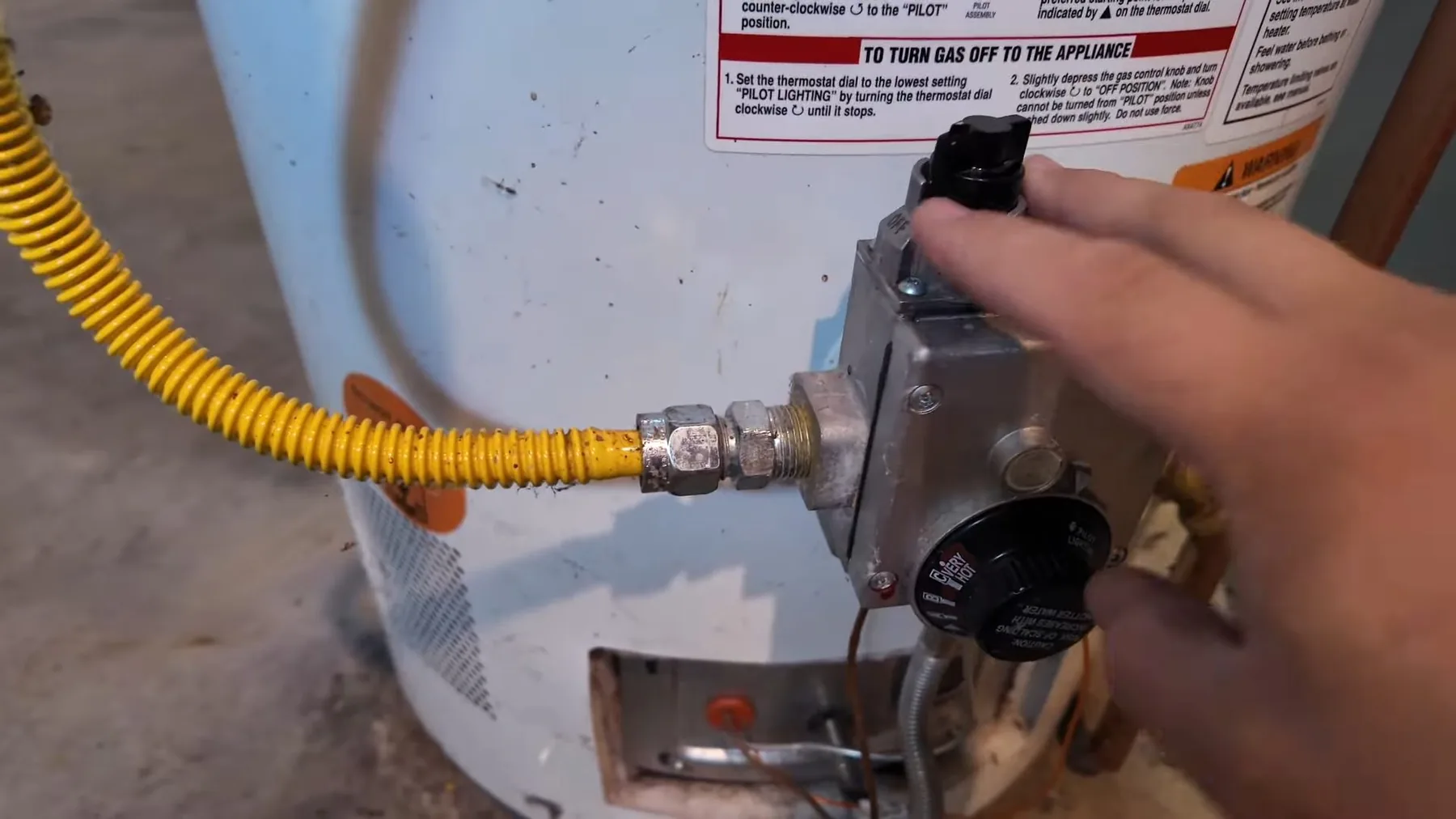
When a heater stops making hot water, the instinct is to assume it is done. Often it is not. A failed heating element or thermostat on an electric unit, a bad thermocouple, igniter or gas valve on a gas unit, or a tripped high-limit switch will all leave you with cold water and a heater that is otherwise sound. Diagnosing the actual fault first is how you avoid buying a whole new tank to fix an inexpensive part.
The exception is a tank leaking from its body. Once the steel tank has corroded through there is no repair, and that unit needs replacing. Everything short of that is usually fixable, and telling those two situations apart is the first thing we do on site.
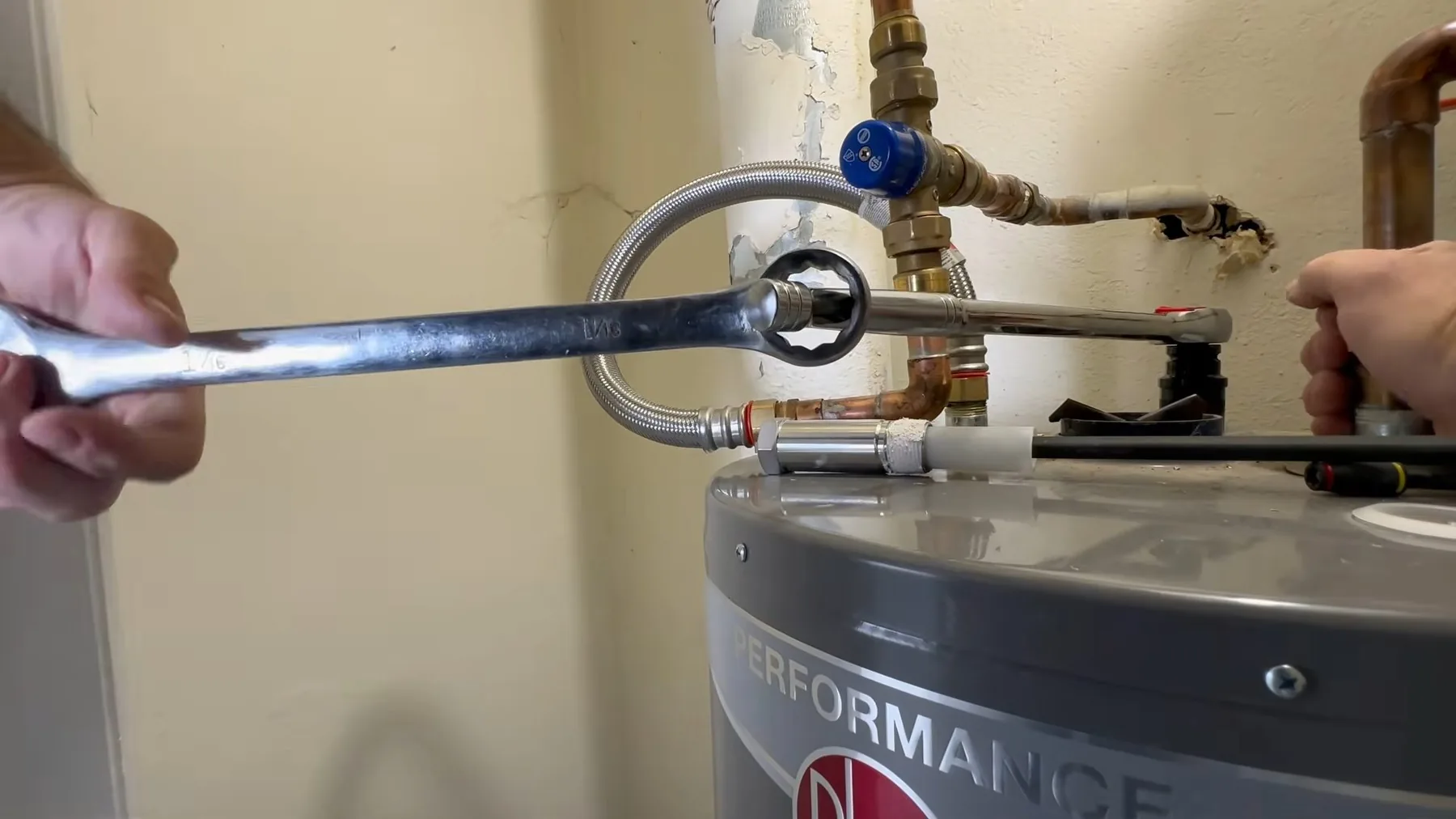
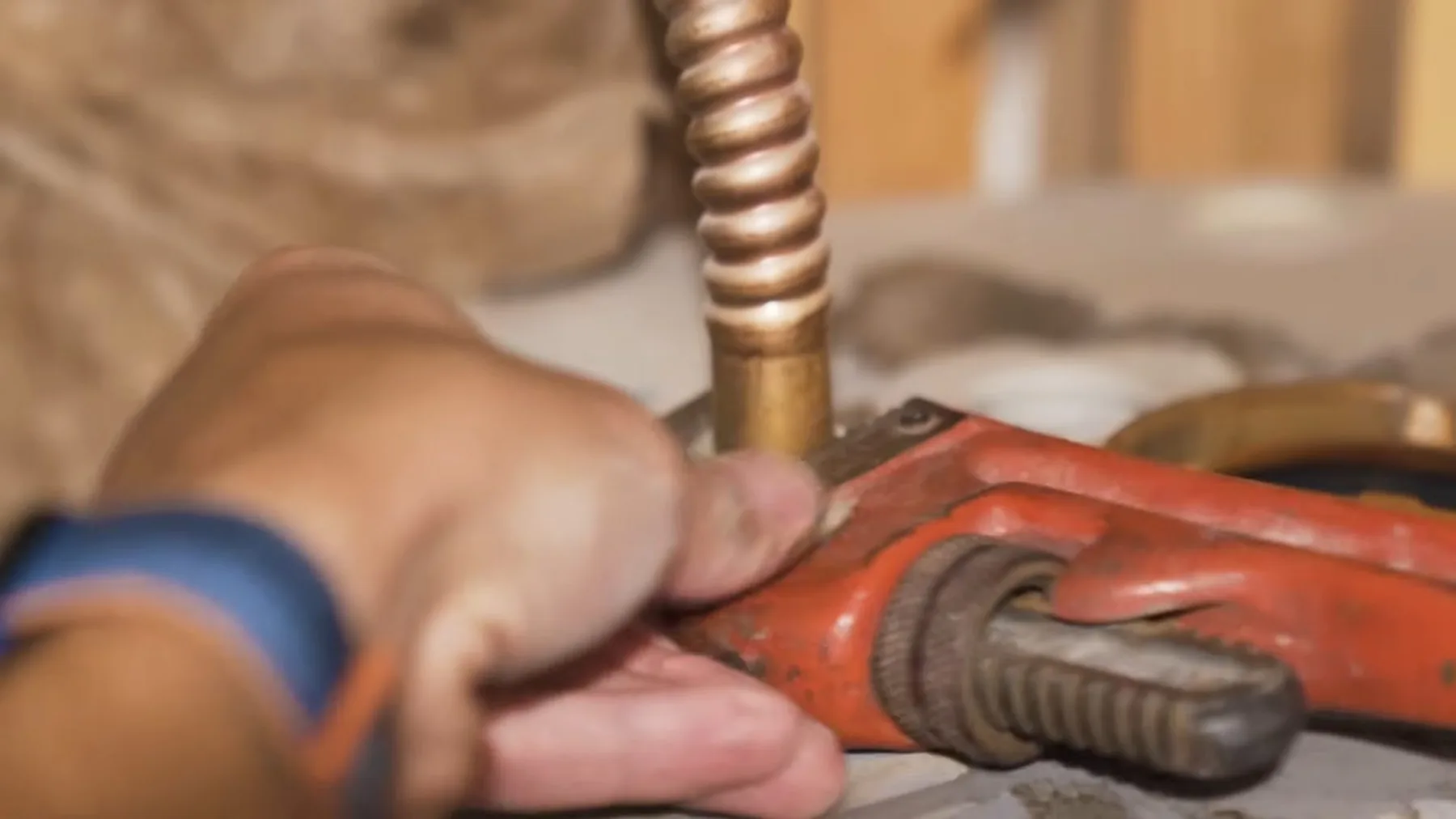
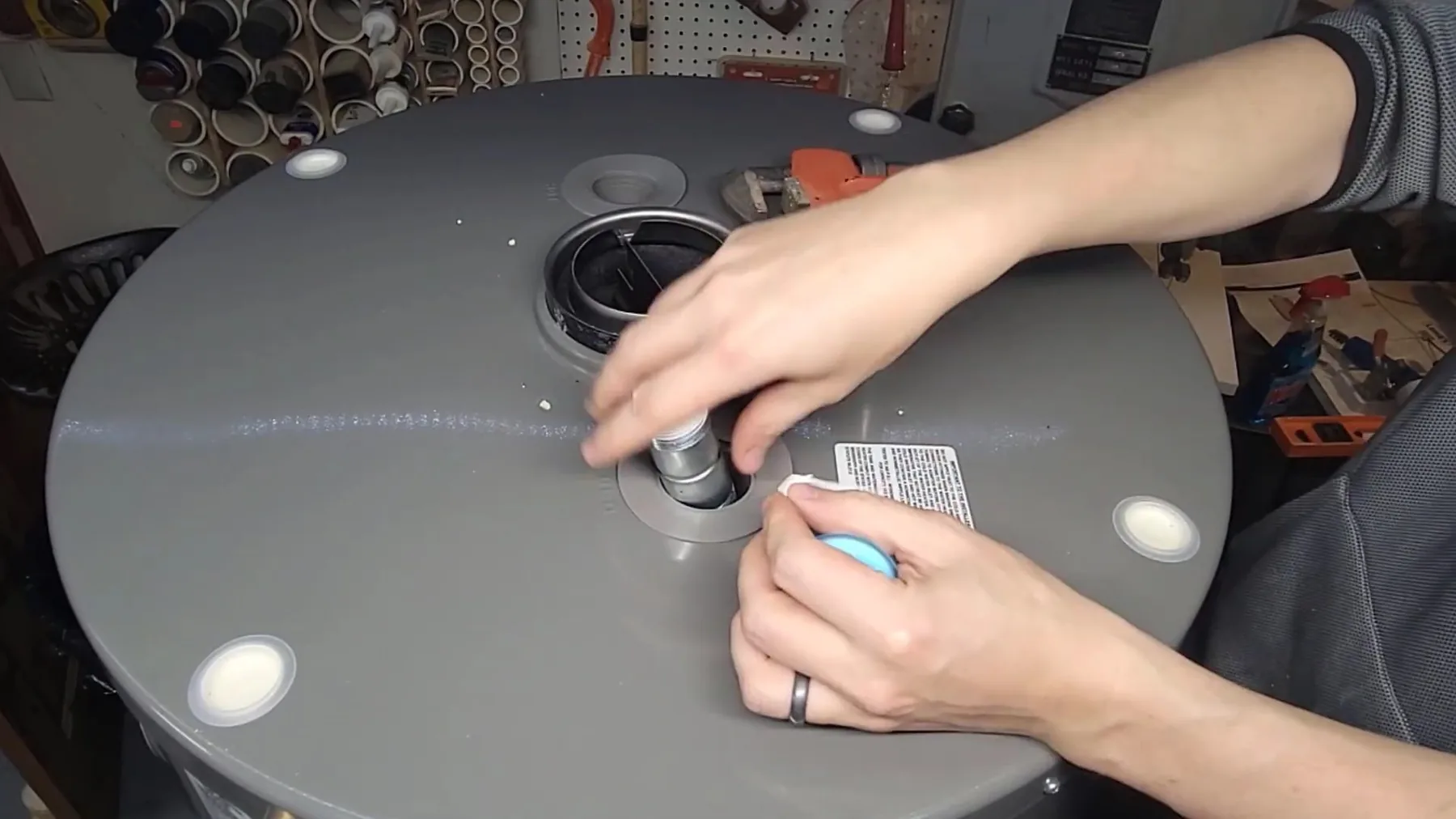
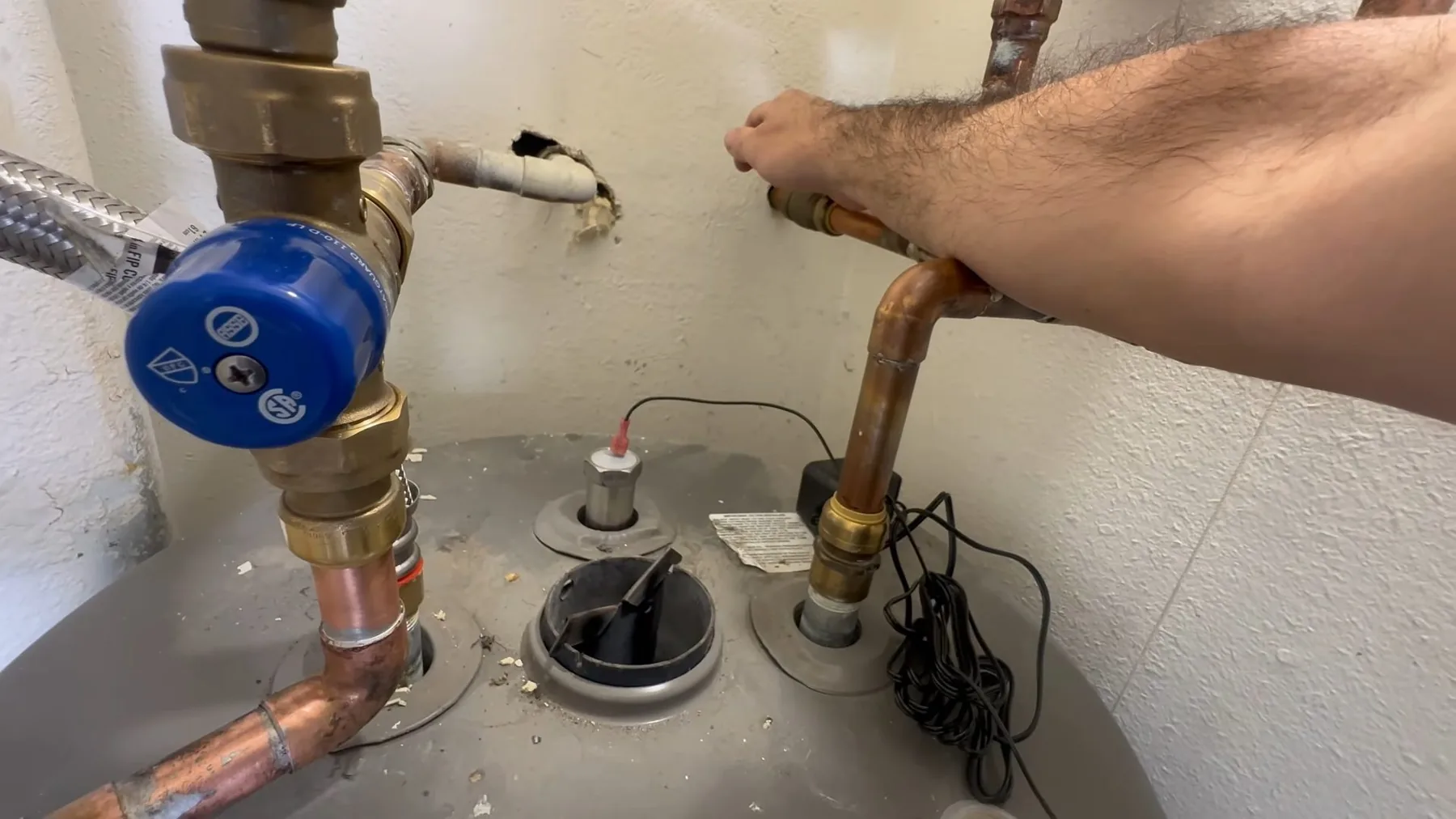
What the symptoms tell us
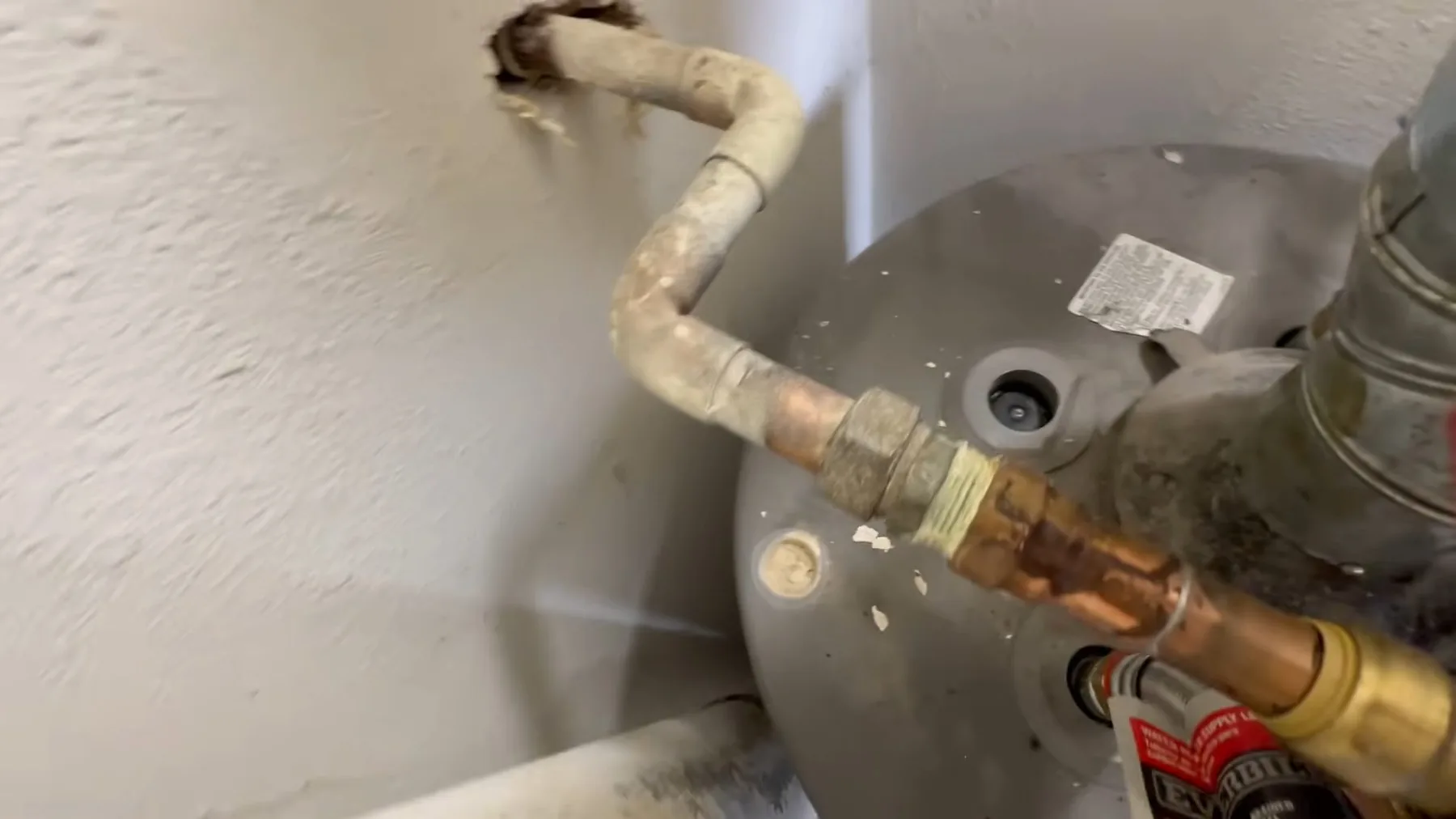
The way a heater fails points at the cause. No hot water at all is usually a power or ignition problem. Not enough hot water, or it running out fast, points at a failed lower element, a broken dip tube, or sediment stealing tank volume. Rusty hot water is a spent anode rod or a corroding tank. We read those signs before pulling anything apart.
Cold showers this morning? Most heaters are back the same day.
CALL A PLUMBER(720) 698-9956| What you notice | Usual culprit |
|---|---|
| No hot water at all | Element, thermostat, thermocouple or ignition |
| Runs out fast | Failed lower element, sediment, or broken dip tube |
| Rusty hot water | Spent anode rod, or a corroding tank |
| Popping or rumbling | Hard-water sediment cooking on the tank bottom |
| Water around the base | Valve or fitting leak, or a failed tank |
The sediment problem is a hard-water problem
That popping and rumbling from the tank is scale and sediment, which Englewood's hard water deposits generously, cooking on the bottom of the tank. It insulates the burner from the water, wastes energy, and eventually cracks the glass lining. Regular flushing slows it, and a water softener slows it far more. If your heater is genuinely past saving, we move to a proper replacement sized and vented for the house.
If the water around the base turns out to be a slow supply leak rather than the heater, that is a different find, and the same tracing as our leak detection service sorts it out.
When a repair stops making sense
Most no-hot-water calls are a repair, but there is a point where replacement is the honest recommendation, and we will tell you when you have reached it. A tank leaking from its body has corroded through and cannot be repaired. A heater near the end of its expected life that needs a major part is often not worth the repair, because the next failure is not far behind. And a unit that has been starved of maintenance in hard water, its tank thick with sediment, may be past saving. Short of those, a failed element, thermostat, thermocouple or valve is a straightforward fix, and we would rather make a sound heater work than sell you a new one you did not need. When replacement genuinely is the right move, we size and install the new unit properly rather than dropping in a like-for-like tank that repeats the old one's problems.
Questions we hear about water heater repair
Should I repair or replace my water heater?
Repair a heater with a bad element, thermostat, thermocouple or valve. Replace one whose tank is leaking from the body, because a corroded tank cannot be repaired. Age matters too, but the fault, not just the year, decides it.
Why is my hot water rusty?
Rusty hot water usually means the sacrificial anode rod is spent and the tank has started to corrode. Replacing the anode in time can extend the tank's life; if the tank itself is rusting through, the heater is near the end.
What is the popping noise from my heater?
That is hard-water sediment on the tank bottom, boiling under the layer of scale. It wastes energy and stresses the tank. Flushing helps if it is not too far gone, and softening the water keeps it from coming back as fast.
I have no hot water at all. What is the first thing to check?
On an electric heater, a tripped breaker or a failed element and thermostat. On a gas heater, the pilot, thermocouple or igniter. These are common, repairable faults, which is why a cold tank is worth diagnosing before replacing.
Need water heater repair in Englewood?
Call and describe what is going on. You reach a plumber, not a form.