
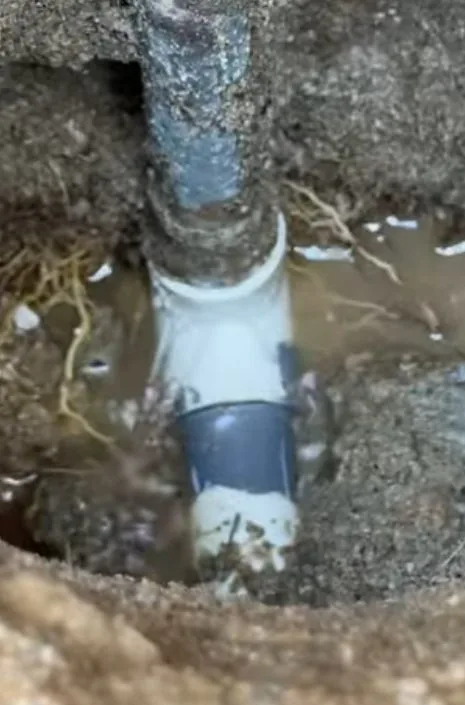
Find the source
Emergency Leak Detection in Englewood, CO
A water bill that climbed with nothing obvious dripping. Acoustic and pressure testing finds a hidden supply or slab leak in an Englewood home without opening every wall to look for it.
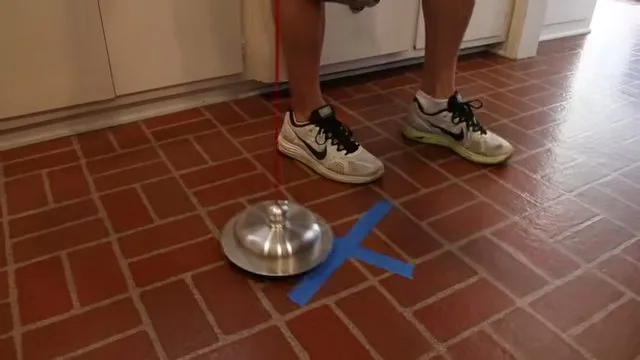
When the water is leaving but you cannot see it
A hidden leak announces itself in small ways: a bill that jumped for no reason, a meter that creeps when every tap is off, a warm patch on a floor, or the faint sound of running water in a quiet house. In Englewood's older housing stock the usual suspects are aging galvanized supply lines that finally pinhole and buried joints that give up after decades. In the newer south-metro additions and finished basements it is more often a line run under a slab.
The point of detection is to open one spot instead of ten. We confirm there is a leak, locate it, and only then decide whether it is reached by a small access cut, a reroute, or a section of new pipe. Guessing and cutting drywall until the water shows up is the expensive way, and it is avoidable.
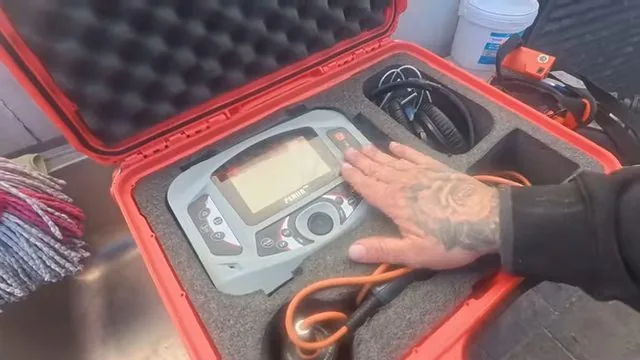
How we pin down a leak
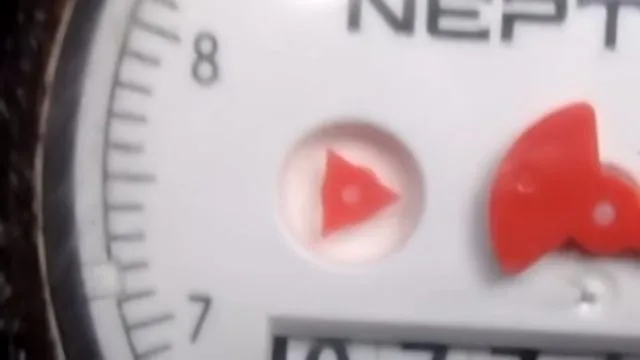
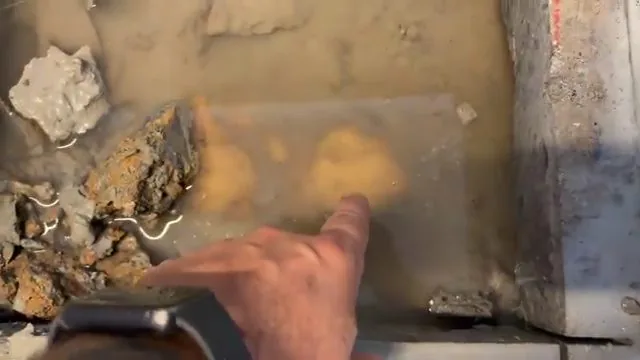
The first test is the meter itself. With every fixture closed, a meter that still turns is proof water is escaping somewhere on your side of it. From there we isolate the house into sections, run a pressure test to tell a supply leak from a drain leak, and use acoustic listening gear to trace the sound of escaping water to a point. On a suspected slab leak we narrow it to a few feet before anyone touches concrete.
A meter that spins with everything off means water is escaping right now. Get it located before it finds your drywall.
CALL A PLUMBER(720) 698-9956| What you notice | Common cause |
|---|---|
| Bill up, nothing visible | Underground service line or slab leak |
| Warm spot on the floor | Hot-water slab leak |
| Meter turns with taps off | Active supply-side leak |
| Low pressure upstairs | Corroded galvanized supply, see repiping |
| Musty smell, no puddle | Slow leak inside a wall or under a cabinet |
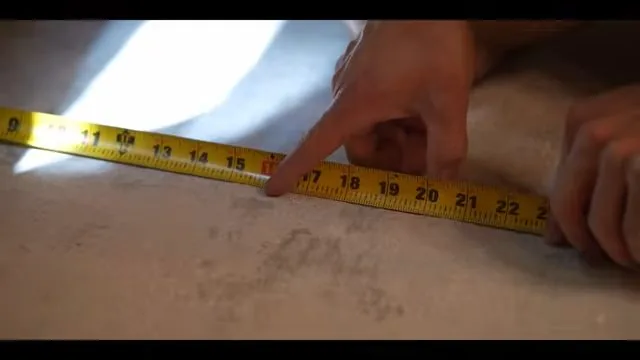
What we do once it is found
A small, accessible leak in copper or PEX is often a same-visit repair. A pinholed galvanized line usually means the rest of that run is not far behind, so the honest recommendation is sometimes to replace the section or plan a repipe rather than chase one pinhole after another. A confirmed slab leak moves to slab leak repair, and if the leak has already soaked flooring or drywall we can dry it out through water damage restoration on the same job.
Catching it early is the whole game. A pinhole behind a wall that runs for a month does more damage than the repair itself, so if the meter is turning, it is worth a call now rather than after the ceiling stains.
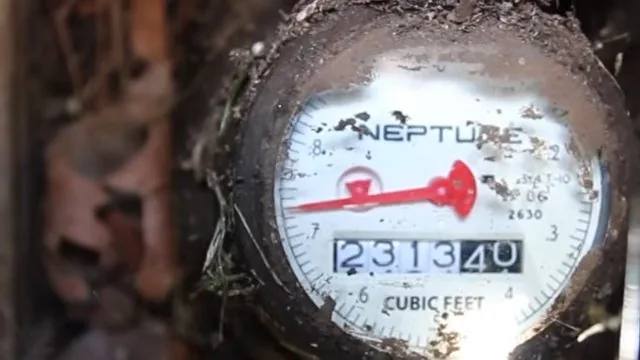
What a hidden leak is quietly costing
A leak you cannot see is still on the meter every hour of every day. A pinhole dripping behind a wall does not just raise the bill, it wets framing and feeds mold in a space no one opens, so the damage compounds long before anything shows on the surface. That is the real argument for locating and fixing it now rather than watching the bill and hoping: the water charge is the small part, and the drywall, insulation and framing behind it are the expensive part. Catching a leak early is almost always cheaper than living with it, and it is the whole reason detection exists as its own step.
Questions we hear about leak detection
How do you find a leak without tearing up my house?
We use the meter, section isolation, a pressure test, and acoustic listening equipment to trace escaping water to a point before opening anything. The goal is a single, targeted access rather than exploratory demolition.
My upstairs pressure is weak. Is that a leak?
Not usually. In older Englewood homes weak upstairs pressure is more often galvanized supply pipe that has corroded closed from the inside, which restricts flow to the fixtures farthest from the meter. A pressure and flow test tells a restriction apart from a leak.
Can you tell a slab leak from a regular leak?
Yes. A hot-water slab leak often shows as a warm spot on the floor and a hot water system that never quite rests. We confirm it with pressure isolation and acoustic tracing, then narrow it to a few feet so any concrete work is as small as possible.
Is a small leak really worth fixing right away?
A slow leak inside a wall does its worst damage over time, wetting framing and feeding mold long before it shows on the surface. The repair rarely gets cheaper by waiting, and the collateral damage almost always gets worse.
Need leak detection in Englewood?
Call and describe what is going on. You reach a plumber, not a form.